.png)
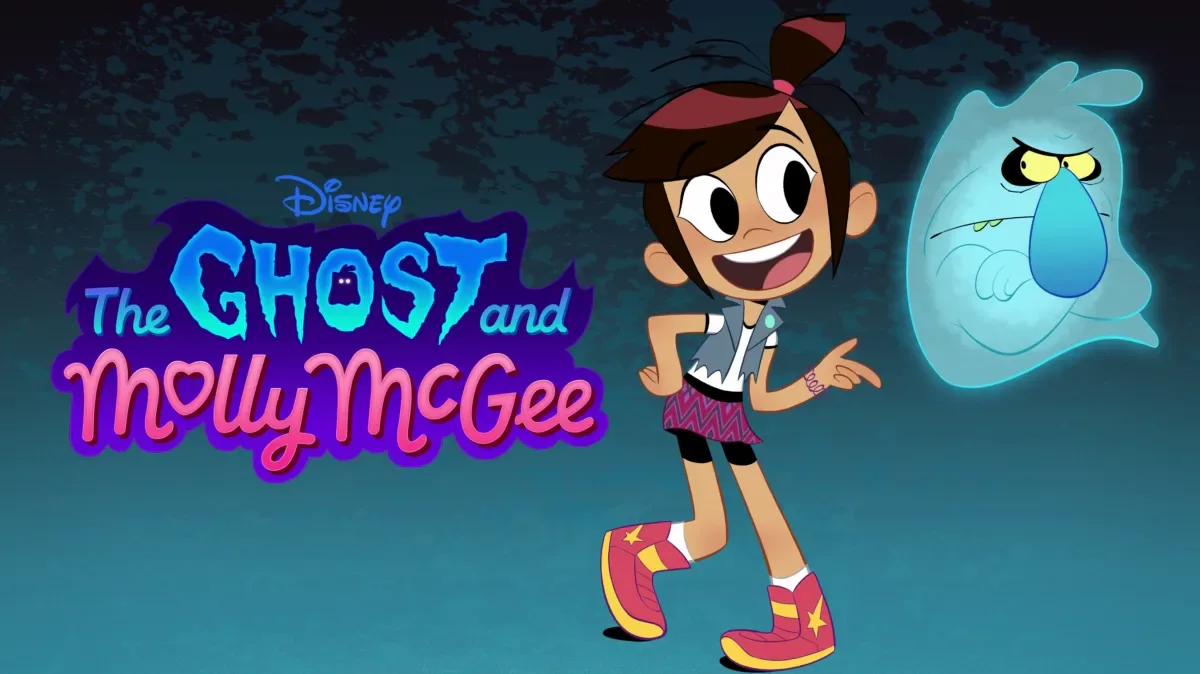
The Ghost And Molly Mcgee Shop: Secrets from Its Filmmaking
Step inside the world of The Ghost And Molly Mcgee Shop and you’ll quickly discover that its eerie charm is more than just set design—it’s a meticulously crafted tapestry of filmmaking tricks, hidden props, and narrative decisions that keep audiences on edge. From the first flicker of lighting to the subtle creak of an old floorboard, every element was chosen to tell a story that lingers long after the credits roll. In this post we’ll peel back the curtain and reveal the secrets that made this haunted boutique a cinematic legend.
The Art of Atmosphere: Lighting and Color Palette
The moment the camera enters the shop, a low‑key lighting scheme immerses viewers in a perpetual twilight. Cinematographers used practical lamps with amber gels to mimic the warm glow of vintage bulbs, while strategically placed shadows create a sense of depth and mystery. By limiting the color palette to muted earth tones and occasional splashes of crimson, the filmmakers ensured that any sudden burst of color—like a dripping blood‑red lipstick—would instantly command attention.
Equally important was the use of practical effects over digital tricks. The team hung thin, translucent fabric from the ceiling to catch dust particles, giving the air a thin, misty quality that glowed when hit by a narrow beam of light. This subtle haze not only added realism but also amplified the feeling that the shop was constantly breathing.
Another clever technique involved the placement of mirrors behind the counter. When the protagonist turns to examine a dusty antique, the reflection reveals a ghostly silhouette that isn’t actually in the frame. This practical illusion saves post‑production costs while delivering an unnerving, in‑the‑moment surprise.
Set Design Secrets: Props that Tell Their Own Tale
Every object in The Ghost And Molly Mcgee Shop was selected for its narrative weight. The cracked porcelain doll on the highest shelf, for example, wasn’t just a scare piece; it symbolized the fragmented memories of the shop’s former owner. Prop master Susan Lin sourced genuine early‑20th‑century items, ensuring each piece carried authentic wear patterns that could be read by a keen eye.
Hidden compartments were built into the wooden display cases. When the camera focuses on a locked jewelry box, a subtle click reveals a hidden drawer containing an old photograph—an easter egg for dedicated fans. These compartments also allowed the crew to swap out items between takes without breaking continuity, preserving the illusion of an ever‑changing haunted space.
Sound design was intertwined with set design, too. Many of the creaking floorboards were actual vintage planks, amplified with contact microphones. This gave the audience an organic, localized sound that made every footstep feel weighty and consequential, adding another layer to the shop’s unsettling ambience.
Storytelling Through Camera Movement
The director chose a combination of handheld shots and slow dolly pushes to mirror the protagonist’s emotional state. When curiosity turns to dread, the camera subtly tightens, creating a claustrophobic feel that mirrors the tightening grip of fear. Conversely, wide‑angle shots of the shop’s exterior provide brief moments of relief, reminding viewers of the world outside the haunted walls.
One especially memorable sequence uses a single, uninterrupted 3‑minute take that follows a character as they navigate the labyrinthine aisles. The steadicam operator rehearsed the path for hours, mastering the timing of each breath and gasp to sync perfectly with the subtle background whispers that grow louder as the camera moves deeper into the shop.
These camera techniques also serve a practical purpose: they minimize the need for cuts, which helps maintain tension. By reducing the number of edits, the audience stays immersed in the moment, feeling every creak and sigh as if it were happening in real time.
Conclusion: Why The Ghost And Molly Mcgee Shop Remains a Masterclass
All these elements—light, set design, and fluid camera work—combine to create a haunting experience that feels both intimate and grand. The meticulous attention to detail shows that a successful horror setting is less about flashy effects and more about building a world that breathes, whispers, and reacts to its characters. Whether you’re a filmmaker seeking inspiration or a fan curious about the magic behind the scenes, the secrets of The Ghost And Molly Mcgee Shop offer timeless lessons in crafting atmosphere that lingers long after the screen goes dark.